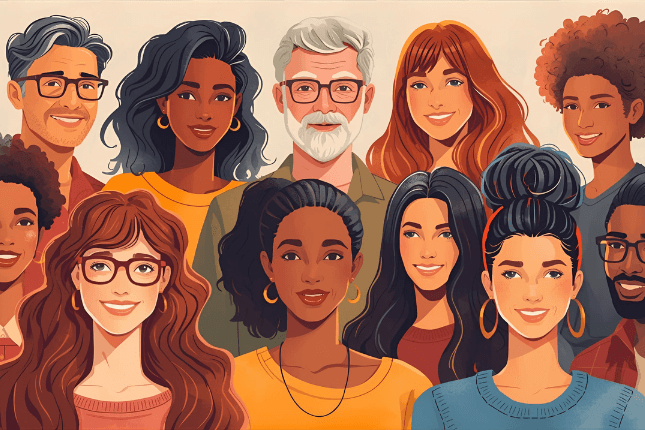
How to describe people is the question every storyteller eventually faces, usually right when a new character steps on stage and the scene begs for details. When you know how to describe people in stories, you create clearer imagery, stronger emotional pull, and characters who feel like they are truly alive. Writers need this skill because character descriptions shape tone, mood, and reader connection.
Short answer: describing people in fiction means blending physical traits with personality cues that reveal story, emotion, and motive. Don’t just dump details, choose the ones that matter. Pick features that show mood, hint at backstory, and reinforce your story’s direction.
Key ingredients that help:
- Choose two or three defining visual traits
- Let actions reveal physical features
- Match description style to tone and genre
- Mix appearance with personality signals
- Sprinkle details across scenes instead of pausing the story
If you’ve ever thought, How on earth do authors make characters feel so real? , this guide breaks it all down.
Article Contents
How to Describe People in Stories?
Whenever someone asks me how to describe people in fiction, I think back to when I first started writing. I created characters who felt like cardboard cut-outs drifting through the plot, or extras in a low-budget sitcom. In my experience, a character comes alive only when you stop listing features and start choosing details with purpose.
Think about how shows like Stranger Things or The Last of Us introduce characters. They don’t give you height, weight, and eye colour first. They give you a presence. A vibe. A clue. That’s what we aim for here.
Before we look at lists of character descriptions, let’s warm up with the single best trick I picked up while teaching writing workshops: anchor your descriptions in your character’s worldview. Let how they move, react, and see the world, show us who they are.
“In displaying the psychology of your characters, minute particulars are essential. God save us from vague generalizations!” – Anton Chekhov
Why Do Writers Need Techniques for How to Describe People?
If your goal is to create characters who linger in the reader’s mind long after the story ends, you need more than physical facts. You need rhythm, personality, behaviour, contradiction, and vulnerability. In short, you need layers.
And honestly, readers today expect more. They grew up binge-watching character-driven media, so flat descriptions feel like filler. To stand out, we describe people in ways that contribute to plot, theme, or emotional context. That’s how bestselling authors learn how to describe people to keep readers hooked.
For more background on the psychology of character, check out this article on The Psychology of Why We Love Fictional Characters in Books. It’s helpful for understanding how readers interpret cues and allow imaginary people into their lives.
How to Describe a Character’s Physical Features?
Writers often ask, What physical features should I describe first? The truth is, you don’t need everything. You need what matters.
If your character walks into a dark tunnel chasing a thief, eye colour probably isn’t crucial. But their posture, breath, or hair sticking to their forehead can instantly build atmosphere.
A few examples from my own drafts:
“She moved like a flame fighting wind, her loose curls flashing red whenever she turned her head.”
“He looked as familiar and comforting as a diner at sunrise, all coffee warmth and soft edges.”
Description is strongest when it matches the emotional tone of the moment.
How to Describe People Through POV?
If you’re writing in first person, the narrator’s voice is a goldmine.
“I’ve always been proud of my soft blonde hair.”
This works because it reveals both character and attitude.
In third person, action blends beautifully with description:
“She ducked under the archway, knocking loose strands from her high, tight bun.”
“His height showed in his stiff, measured gait.”
The trick is to let each detail serve the scene, not stop it.
“Every character is a question described as a person.” – Aaron Mullins
How to Describe People Using Body-Part Guides
Below are updated lists of character descriptions you can adapt, expand, twist, or blend for your fiction. Use them as raw material and inspiration for how to describe people.
How to Describe Body Shape?
When describing body shape, combine build with posture. A character’s stance works like a mini personality reveal.
Examples for describing body shape:
big, little, large, small, fat, thin, bulky, skinny, plump, lean, fine, chunky, solid, muscular, athletic, flabby, saggy, standing, sitting, reaching, resting, arching, walking, jogging, running, hunching, bending, stretching, leaning
How to Describe a Character’s Face?
The face carries emotional weight. This is where readers look for truth.
Face shapes:
round, square, oval, heart-shaped, triangular, diamond, pear, oblong
Face traits:
fine, full, baby-faced, fresh, chiselled, thin, wide, furrowed, craggy, sculpted, weather-beaten, dimpled, handsome, gaunt, sweet, anxious, boyish, youthful, clean-shaven, intelligent, hard, blocky, angelic, watchful, dubious, impassioned, bestial, rugged, strong, ordinary, unreadable
How to Describe Skin?
Diverse skin descriptions matter. Focus on texture, tone, and impression.
Skin descriptions:
tanned, wrinkled, freckled, rosy-cheeked, fresh, smooth, creamy, pale, glowing, rough, leathered, brown, dark, ebony
How to Describe Eyes?
Eyes reveal emotion, intention, and secrets.
Eye descriptions:
small, large, bulging, deep-set, teary, hollow, sad, gentle, bright, twinkling, warm, sleepy, brown, blue, green, hazel, dark, haunted
How to Describe Noses?
Small features create memorable characters.
Nose descriptions:
bridge, nostril, flared, hooked, wrinkling, twitching, aquiline, red, puffy, crooked, flat, enormous, pointed, thick, veined
How to Describe Ears?
Ears can show emotion through action.
Ear descriptions:
pulling/tugging on their ear, covering their ears, tucking their hair behind their ears, hear their pulse, battered, attentive, bandaged, bleeding, buzzing, dainty, elfin, floppy, earringed, pierced, comical, deaf, keen, open
How to Describe Mouth and Lips?
Like eyes, the mouth conveys both expression and mood.
Mouth descriptions:
full, thin, pursed, puckered, pouting, laughing, smiling, curled, sneer, toothless, gappy, cruel, kind
How to Describe Hair?
Hair offers endless variety and texture.
Hair color:
black, brown, blonde, red, auburn, ash, honey, golden, platinum, strawberry, silver, white, grey, salt-and-pepper
Hair style:
long, short, shoulder-length, ponytail, bun, ringlets, bangs, slick, pigtails, bob
Hair texture:
shiny, spiky, fuzzy, wavy, parted, neat, cascading, curly, dull, frizzy, wild, straight, shaved, thick, thin, full, fine, bald, dyed, permed
How to Describe Facial Hair?
Facial hair shapes presence.
Facial hair descriptions:
beard, sideburns, goatee, moustache, stubble, bushy, shaggy, clean-shaven, smooth, trimmed, whiskers, handlebars, viking
How to Describe Clothing?
I think clothing descriptions work best when tied to personality or plot. For example, in one of my earliest stories, I gave a detective a faded denim jacket because it matched his stubborn optimism and tendency to hold onto things that mattered.
Break clothing down by layer:
Style:
smart, scruffy, elegant, torn, stylish, rough, relaxed, posh, chic, casual, sharp, disheveled, ripped, faded, badge, worn, new, shiny, soft, knitted, shabby, goth, sporty, wild, over-dressed
Tops:
t-shirt, shirt, tank top, polo shirt, jumper, sweater, cardigan, hoodie, V-neck, round-neck, turtleneck, collar, bra
Bottoms:
trousers, jeans, pants, boxers, leggings, slacks, jogging bottoms, sweatpants, overalls, shorts, swimming trunks, knickers
Outerwear:
jacket, coat, blazer, dressing gown, bath robe, apron, uniform, costume
Footwear:
shoes, trainers, sneakers, sandals, plimsoles, flip-flops, boots, wellies, pumps, heels, socks, stockings, tights, slippers
Accessories:
gloves, scarf, hat, baseball cap, bandana, bracelet, earrings, necklace, cufflinks, rings, purse, bag, handbag, glasses, sunglasses, watch, belt
Fabrics and patterns:
cotton, acrylic, polyester, denim, tweed, silk, lace, velvet, fleece, wool, leather, stripes, checked, dots, stars, squares, solid block, floral, pastel

You can gain further insights from the Create Your Characters chapter of my book: How to Write Fiction: A Creative Writing Guide for Authors
Level Up Your Storytelling
If you want to level up your storytelling, learning how to describe people will transform every scene you write. These lists are only a springboard. The magic happens when you combine them with emotion, conflict, humour, rhythm, and voice. When you do that, your characters stop acting like strangers and start feeling like people readers root for.
Ready to get better at character description? Now you know how to describe people, try choosing one character in your current draft and rewriting their introduction using three techniques from this guide.
Stay creative,
Aaron Mullins
Subscribe to get free stories
Pop in your email to join over 900+ readers and writers who receive free stories, tips, and advice:
You can find more support on the Resources for Authors page.
FAQ: How to Describe People
1. What is the best way to describe a character’s appearance?
Focus on two or three vivid details, then use actions and emotion to fill in the rest. Readers remember impressions more than long lists.
2. How do you describe someone without sounding cliché?
Tie physical traits to personality, behaviour, or story context. Avoid generic lists and instead show how the character interacts with the world.
3. What should you describe first in character introduction?
Choose whatever impression matters most for the scene: mood, motion, silhouette, or standout detail.
4. How do you write character descriptions that feel natural?
Blend them into action and dialogue. Let the description move with the scene instead of pausing the story.
5. How do you describe people in first person writing?
Filter every detail through the narrator’s personality, biases, and emotional state. That internal flavour creates authenticity.

Leave a Reply